
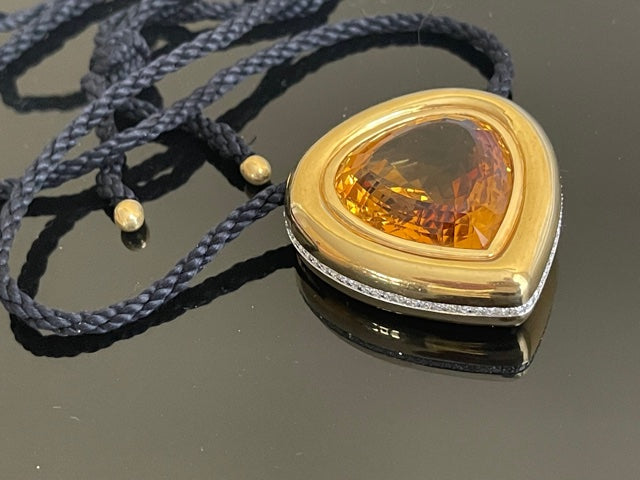
 The most compelling jewelry collecting trends are not driven by novelty. They are driven by recognition: the instant a collector sees a superbly proportioned gold cuff, a sculptural signed ring, or an exquisitely made jewel and understands that it could not have been made by just anyone. For women building collections with real point of view, the appetite is shifting toward pieces that carry authorship, history, and unmistakable presence.
The best collections have never been about following a formula. They evolve through a sharpened eye, a respect for workmanship, and an instinct for the jewel that changes the mood of an entire wardrobe. What is changing is the confidence with which collectors are choosing the unusual.
Jewelry Collecting Trends: Signature Over Sameness
Signed jewelry remains central to serious collecting, but the appeal is more discerning than a simple preference for a recognizable name. A signature matters because it can locate a jewel within a particular design language: the sculptural confidence of Angela Cummings, the rich textural vocabulary associated with Henry Dunay, the architectural glamour of Cartier, or the lyrical fantasy of Van Cleef & Arpels.
Collectors are increasingly drawn to pieces that show a designer at their most distinctive. An identifiable motif, a beautifully resolved clasp, an unexpected use of negative space, or a treatment of gold that feels almost fabric-like can be more compelling than a familiar logo. The strongest signed jewels feel authored from every angle.
This is especially true for pieces from periods when a designer was taking risks rather than repeating a commercial success. A bold 1970s gold jewel, a 1980s statement earring with precise geometry, or an earlier piece with exceptional hand-finishing often has more lasting appeal than an object designed to be universally agreeable. Collectors do not need their jewelry to please everyone. They want it to say something exact.
Gold With Character Has the Room
Gold is no longer serving quietly as a setting. It is the design. High-karat gold with a tactile surface, substantial proportions, and expressive construction has become a defining force in contemporary collecting. This is not a return to excess for its own sake. It is an appreciation for material intelligence.
Braided links, ropework, granulation, hammered finishes, polished domes, and articulated forms invite attention because they reward close viewing. A jewel made with this level of visual rhythm has a life beyond its carat weight. It catches light differently as the wearer moves, and it reads as personal rather than prescribed.
The trade-off is that bold gold demands conviction. It may not disappear beneath a sleeve or behave like an accessory chosen merely to complete an outfit. That is precisely its value. A remarkable gold bracelet or ring can become a signature in the truest sense: an object people associate with its wearer.
The Return of the Singular Jewel
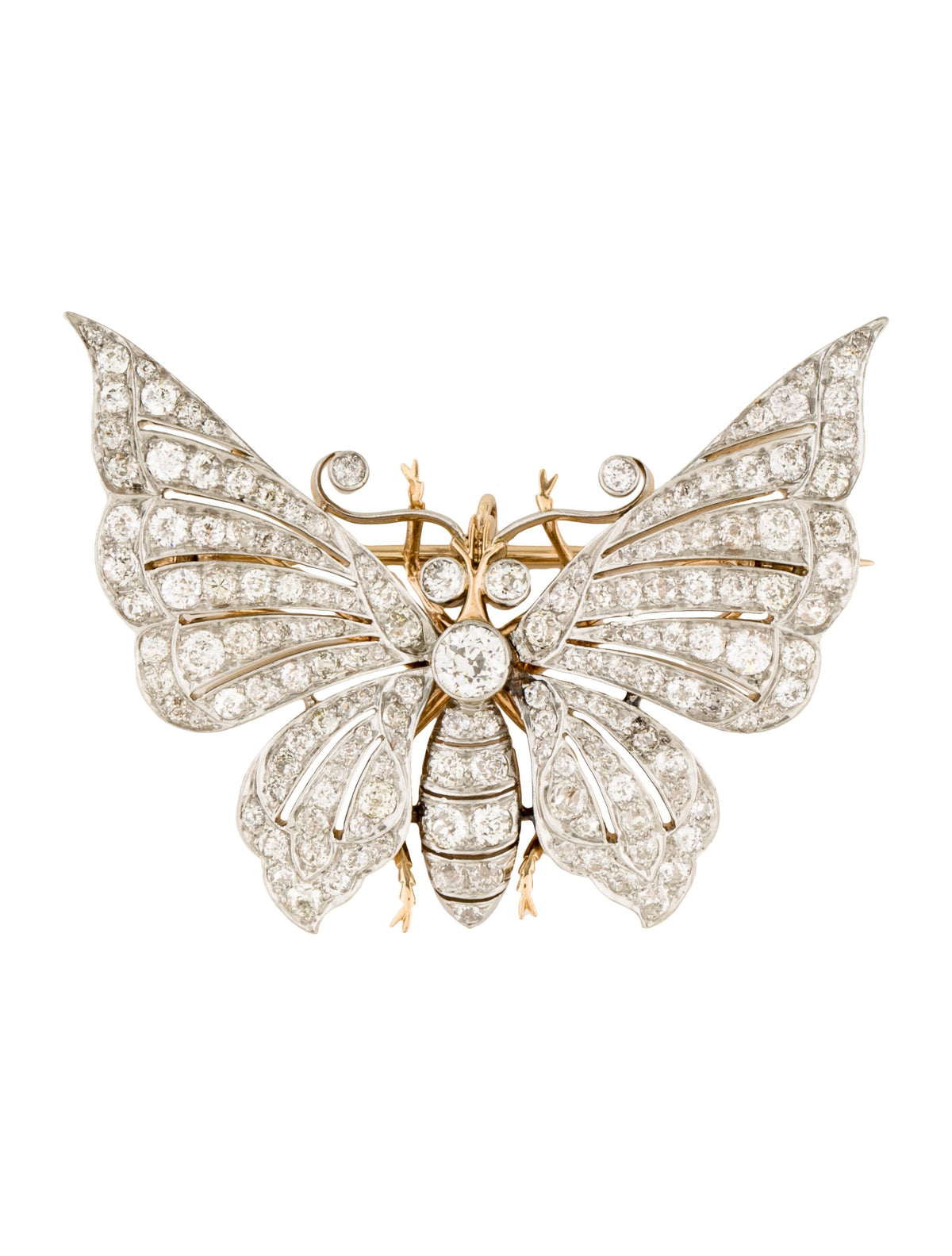
One of the most persuasive jewelry collecting trends is a move away from coordinated perfection. Rather than assembling matching suites, sophisticated collectors are choosing singular pieces with enough visual authority to stand alone. A brooch with sculptural presence, an unusually designed pendant, or a pair of earrings with a strong silhouette can carry an entire look.
This shift favors jewels that have a point of tension. Perhaps the scale is unexpected, the setting is particularly inventive, or the jewel combines formality and ease in a way that feels modern. The goal is not eccentricity for its own sake. It is distinction.
A singular jewel also creates more freedom in how a collection is worn. An important vintage cuff can sit beside a clean, contemporary watch. A signed ring can become the focal point against tailored suiting. A refined pair of earrings can bring authority to a simple black dress without requiring anything else. These are pieces selected for their ability to hold a room, not simply fill a category.
Provenance and Craftsmanship Are Part of the Beauty
Provenance is becoming more emotionally meaningful to collectors, particularly when it clarifies a jewel's period, maker, or place within a designer's body of work. Documentation, original presentation elements, a clear signature, and details consistent with a house's craftsmanship all add depth. They turn a beautiful object into a more legible one.
Still, provenance is not a substitute for design. A jewel should first be compelling in the hand and on the body. The finest examples have a kind of inevitability: the hinge moves cleanly, the setting is beautifully considered, the proportions remain elegant, and the back is as thoughtfully made as the front. These details are often where true quality announces itself.
For collectors, craftsmanship also brings a quieter pleasure. It is the knowledge that a jewel was made with patience and intention, rather than simply finished to meet a deadline. This is why artisan-made work and exceptional vintage design continue to resonate so strongly. Both offer evidence of a human hand.
Personal Style Is the Real Measure of Value
Auction results and designer recognition can illuminate a market, but they should not dictate a collection. The most interesting collections have a personal thread running through them. Some collectors are drawn to severe geometry and polished gold. Others respond to romantic mid-century design, animal motifs, or the drama of oversized earrings. A collection becomes memorable when its choices begin to speak to one another.
That does not mean every piece must match. In fact, too much consistency can make a collection feel overly managed. The better question is whether each jewel earns its place. Does it offer an unmistakable silhouette? Does it reveal a particular period or maker? Does it create a feeling that cannot be replicated by a more ordinary piece?
This is where collectors with a strong visual sensibility have an advantage. They understand that jewelry is not only worn. It is edited, remembered, and revisited. A jewel can be historically significant yet wrong for one collector, while a less obvious signed piece can become the one she reaches for repeatedly. Rarity matters, but resonance matters too.
Collecting for a More Expressive Wardrobe
The current direction is clear: jewelry is becoming less uniform and more declarative. Collectors are seeking pieces that can move between a dinner in New York, a gallery opening in London, a business meeting in Singapore, and an evening at home without losing their character. The jewel is not an afterthought. It is part of the woman's visual language.
At All The Best Vintage, rare finds are our specialty because the most satisfying collections are built around discovery. The right piece may be a signed jewel from a celebrated designer, a superb example of gold workmanship, or an exceptional object whose appeal is impossible to reduce to a trend.
Give the jewel your full attention. The pieces that remain compelling after the first flash of attraction are often the ones that deserve a permanent place in a collection.


Leave a comment
This site is protected by hCaptcha and the hCaptcha Privacy Policy and Terms of Service apply.